The Ethics of AI in Campus Placement: A Post-2025 Deep Dive
The annual campus placement season has long been a rite of passage for students across India, from the bustling IITs to the esteemed institutions right here in Chhatrapati Sambhajinagar. It’s a time of sharpened resumes, practiced handshakes, and nervous anticipation. But a silent, algorithmic revolution is poised to redefine this entire experience. The integration of Artificial Intelligence (AI) in campus placement is no longer a futuristic concept; it’s an accelerating reality. As we look beyond 2025, the question shifts from *if* AI will be used to *how* it will be used—and more importantly, how we can ensure it’s used ethically.
This deep dive explores the complex ethical terrain of AI-driven recruitment. We will move beyond the hype to confront the pressing issues of algorithmic bias, student data privacy, and the very nature of employability in an automated world. For students at Dr. Babasaheb Ambedkar Marathwada University and other colleges in our city, understanding this shift is no longer optional; it’s essential for career survival.
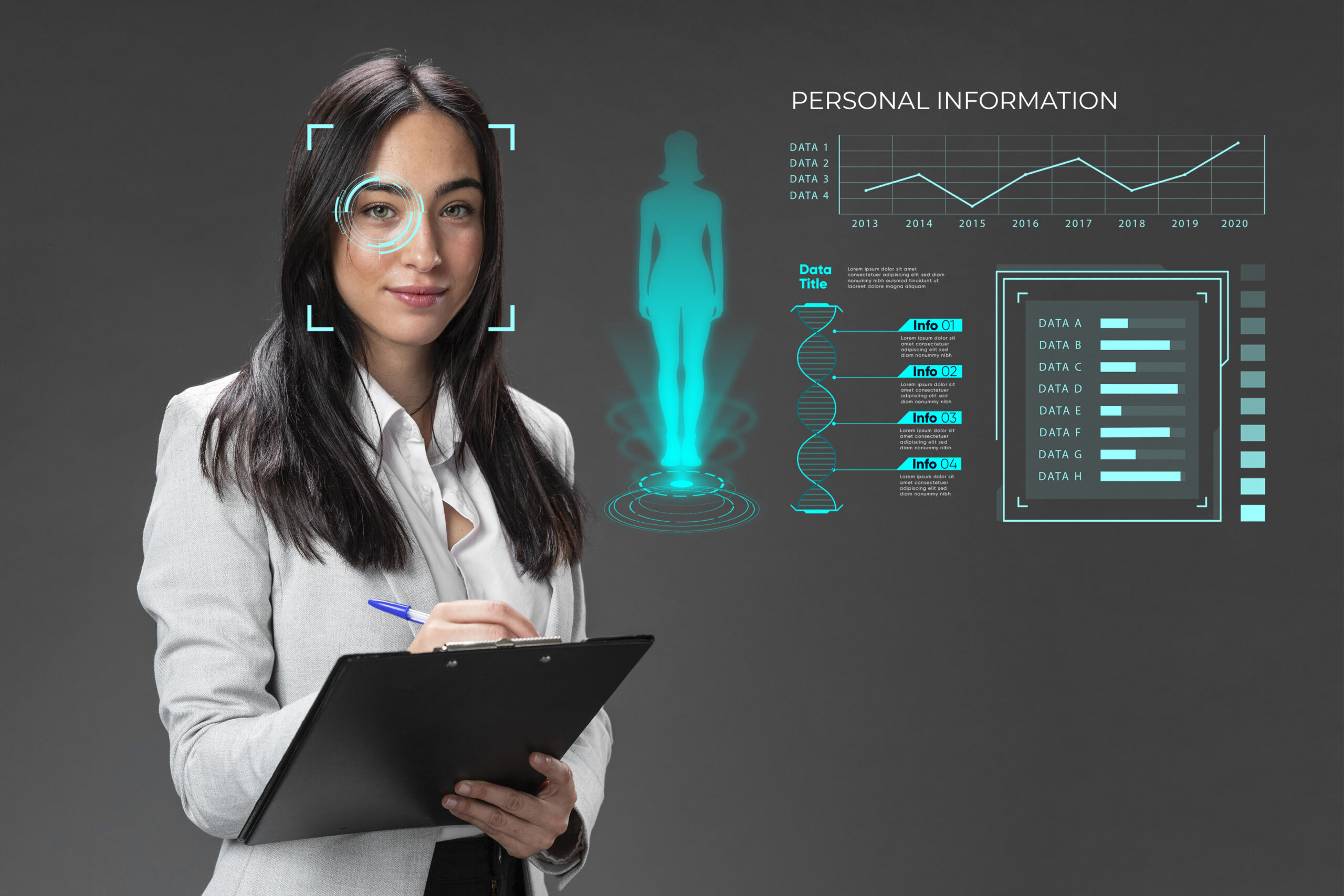
Image Credit: Freepik.com. Master in-demand skills like Full Stack Development to stay ahead in AI-driven placements.
The Double-Edged Sword: Efficiency at What Cost?
Proponents of AI in campus placement rightly tout its immense benefits. AI-powered platforms can screen thousands of applications in minutes, identify candidates based on skills rather than pedigree, and reduce the administrative burden on college placement cells and recruiters alike. This efficiency is undeniable. However, this very strength is the source of its most significant ethical challenges.
The Pervasive Threat of Algorithmic Bias
An AI model is only as unbiased as the data it’s trained on. If historical hiring data reflects human prejudices—a preference for certain universities, gender imbalances in specific roles, or language biases—the AI will not only replicate these biases but can amplify them. This creates a critical ethical concern for AI recruitment bias.
- Example: An AI trained on data from a company that historically hired more men for engineering roles might learn to downgrade resumes with women’s names or from all-women’s colleges.
- Impact: A brilliant female coder from a college in Chhattisgarh might be filtered out before a human ever sees her application, perpetuating inequality under the guise of objectivity.
The Invisible Panopticon: Student Data Privacy
To function, AI for job placement consumes vast amounts of data. This goes beyond your resume. It can analyze your video interviews for micro-expressions, scan your social media profiles, and assess your performance in gamified tests. The student data privacy AI issue is paramount.
Where is this data stored? Who has access to it? Is it used to build a permanent “digital footprint” that could haunt a student years later? The lack of transparent data governance frameworks is a ticking time bomb for the future of campus placements.

Image Credit: Freepik.com. Build AI expertise with our Data Science course to understand and leverage these technologies.
The Post-2025 Landscape: Predictions and Preparations
By 2025 and beyond, we can expect AI’s role to evolve from a screening tool to a core component of the recruitment lifecycle. Here’s what the campus recruitment trends 2025 might hold:
- Hyper-personalized Role Matching: AI won’t just find candidates for jobs; it will find micro-roles and projects within companies that match a student’s unique skill composite.
- The Rise of Soft Skill Analytics: AI will become more sophisticated at assessing communication, teamwork, and problem-solving through advanced simulation platforms.
- Continuous Assessment: Instead of a one-off placement season, AI might enable continuous, lifelong matching between alumni and new opportunities, fundamentally changing the relationship between graduates and their alma mater.
To understand the specific skills that will be in demand in this new landscape, exploring the top IT skills for 2026 is a crucial first step in your preparation.
How Chhatrapati Sambhajinagar Students Can Prepare Now
The key to thriving in this new era is adaptability and digital fluency. Here’s how you can future-proof your career:
- Master Your Digital Twin: Curate your online presence. Your LinkedIn profile, GitHub repository, and professional portfolios are the primary data sources for AI. Ensure they accurately and powerfully represent your skills.
- Develop Uniquely Human Skills: Focus on creativity, critical thinking, and emotional intelligence—areas where AI still struggles. These are your permanent competitive advantages.
- Understand the Tools: Familiarize yourself with common AI placement training platforms and gamified assessments. Practice is key to performing well under algorithmic observation.

Image Credit: Freepik.com. Our specialized campus placement training prepares you for AI-driven recruitment processes.
A Call for Ethical Governance and Human Oversight
The goal cannot be to halt progress. The potential of ethical AI in hiring to create a more efficient and potentially fairer system is too great. However, we must demand accountability. This requires a collaborative effort:
- For Institutions: Placement cells must partner with tech providers that offer transparent, auditable algorithms and robust data protection. They must act as ethical gatekeepers for their students.
- For Companies: Recruiters must implement “human-in-the-loop” systems where AI suggests and humans decide. Regular audits for bias and transparency reports are non-negotiable.
- For Policymakers: Clear regulations, perhaps an extension of India’s Digital Personal Data Protection Act, are needed to govern the use of AI in high-stakes scenarios like employment.
Conclusion: Shaping a Human-Centric Future
The integration of AI in campus placement is inevitable. The post-2025 landscape will be shaped not by the technology itself, but by the ethical choices we make today. Will we build a system that locks doors based on flawed data, or one that opens new pathways to talent based on true potential? For the students of Chhatrapati Sambhajinagar and across India, the answer will define their career trajectories for decades to come. The time to engage in this critical conversation is now.
To better separate the transformative potential of AI from the exaggerated hype, I recommend reading AI Boom 2025: What’s Hype, What’s Real.
What are your thoughts on AI in placements? Share your concerns and expectations in the comments below.