
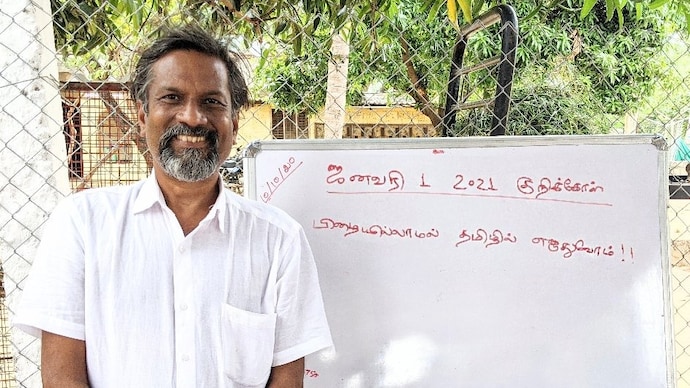
Sridhar Vembu: Visionary entrepreneur and role model for students
Humble Beginnings: The Early Years
Sridhar Vembu was born in a small town in Tamil Nadu. After earning a degree from IIT Madras and a PhD from Princeton, he could have joined the world’s top tech companies. Yet, he chose India, driven by a vision to build world-class software products locally. In 1996, he co-founded AdventNet, later known as Zoho.
For students in Aurangabad, his story illustrates that ambition isn’t limited by geography. Even from smaller towns, you can create products and impact globally with dedication and skill.
Bootstrapping: Learning Discipline and Patience
Unlike many startups that rely on investors, Vembu chose to bootstrap Zoho. Every decision was guided by long-term sustainability rather than short-term hype. Today, Zoho earns over $1 billion in annual revenue, operating privately and profitably.
This approach teaches students that financial discipline, careful planning, and perseverance are as important as technical skill. Starting with small projects or coding apps with limited resources can produce meaningful results.

Bootstrapping teaches discipline, creativity, and focus
Student Action Tips:
- Start small coding projects using free platforms.
- Focus on problem-solving, not just earning or recognition.
- Document failures and learn from them; they are the fastest way to grow.
Faith in Technology: Creating Products That Matter
Vembu believed in the power of Indian engineers to solve complex problems. Zoho developed over 50 applications, including CRM, accounting, and collaboration tools. More recently, the company launched Arattai, a messaging app tailored for India, gaining attention for privacy and local relevance.
For Aurangabad students, this is a call to master programming skills, experiment with technologies, and build products that can solve local and global challenges.
Rural Innovation: Opportunities Beyond Cities
Vembu shifted Zoho operations to towns like Tenkasi and Renigunta. He created Zoho Schools of Learning, which trains students without formal degrees to become skilled engineers. Over 15% of Zoho employees are alumni of these schools.
Students in Aurangabad can draw inspiration here: talent and opportunity are not confined to big cities. Developing skills and learning continuously can lead to global recognition, regardless of location.

Innovation can thrive in smaller towns, offering students alternative pathways to success
Student Action Steps:
- Practice coding daily and build small projects.
- Participate in online hackathons or competitions.
- Collaborate with peers to solve real-life problems in your city.
Turning Challenges into Strengths
Vembu faced skepticism about Indian software, competition with global giants, and the pressures of bootstrapping. He turned every challenge into a learning opportunity. Students should adopt a similar mindset: obstacles are chances to innovate, learn, and grow.
Student Blueprint: Applying Vembu’s Lessons
- Start Projects Now: Don’t wait for perfect resources; begin learning through action.
- Embrace Challenges: Solve tough problems to strengthen skills and confidence.
- Think Globally, Act Locally: Use your skills to improve your city and gradually expand impact.
- Invest in Learning: Prioritize continuous self-education over waiting for formal qualifications.
Conclusion: Aurangabad Students Can Build the Future
Sridhar Vembu proves that innovation, perseverance, and faith in technology can transform students into global achievers. Students in Aurangabad can follow this blueprint: learn daily, build projects, collaborate, and stay persistent.
The tools are available, the knowledge is online, and your creativity is limitless. Start today and make your mark!