🌐 The Future of Web Development: Trends Every Student Should Know in 2025
Web development is one of the fastest-evolving domains of technology. In just two decades, we have seen the journey from static HTML pages to AI-driven, cloud-powered, immersive digital experiences. For aspiring developers, 2025 presents a unique opportunity: to not just learn how to code, but to understand the future direction of the internet and prepare to build applications that meet the needs of tomorrow’s users.
1. Artificial Intelligence in the Web
Artificial Intelligence is transforming websites into smart platforms. From Netflix recommending shows, to Amazon suggesting products, AI algorithms are constantly working behind the scenes. Today, even small businesses can integrate AI through cloud APIs to improve customer experience.
Developers are now expected to understand how to integrate machine learning models, train chatbots, or use NLP (Natural Language Processing) for voice-enabled experiences. AI also powers accessibility tools, making websites usable for people with disabilities.
2. Progressive Web Apps (PWAs)
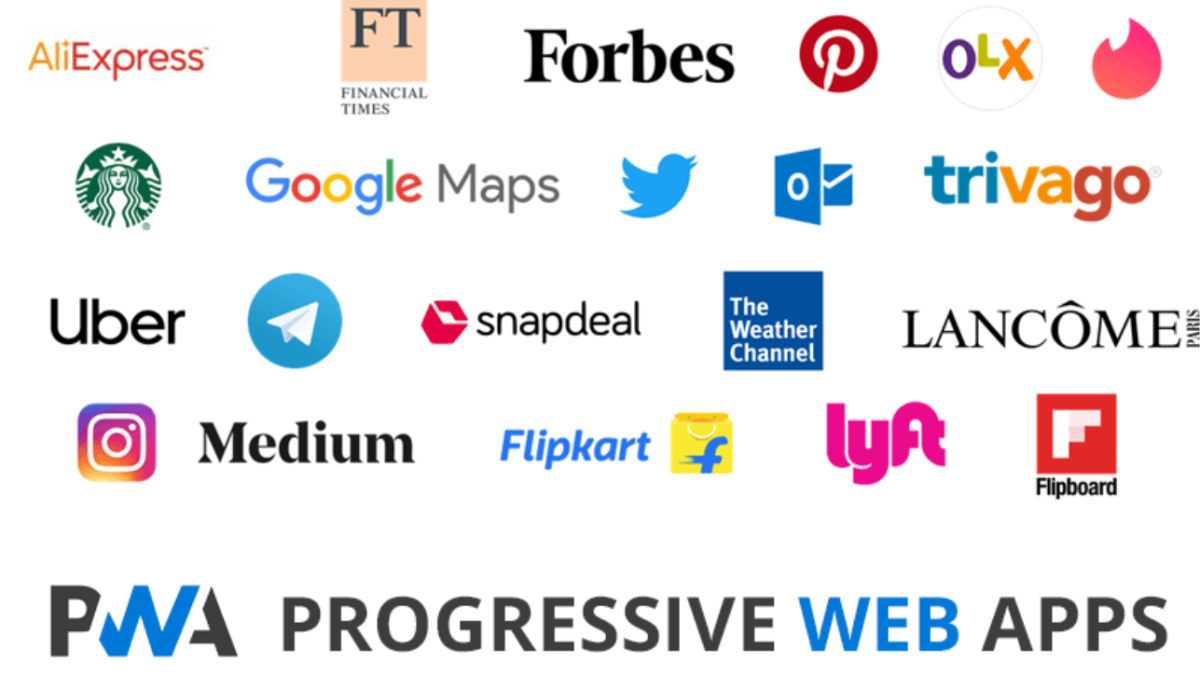
PWAs bring together the strengths of websites and mobile apps. They work offline, are lightweight, and give app-like experiences without occupying phone storage. Businesses like Starbucks have reported higher engagement after adopting PWAs.
For developers, PWAs involve concepts like service workers, caching strategies, responsive design, and push notifications. They reduce dependency on app stores and open up global accessibility.
3. WebAssembly (Wasm)
WebAssembly allows high-performance code written in languages like C++, Rust, or Go to run directly in the browser. This means developers can bring heavy applications such as 3D games, CAD tools, or even AI processing to the web without losing speed.
For students, learning the basics of WebAssembly is an investment into the future where boundaries between native apps and web apps will blur.
4. Serverless and Edge Computing
With serverless architectures, developers can focus on writing logic while cloud providers handle scaling, uptime, and infrastructure. Edge computing brings these services closer to users worldwide, reducing latency and improving performance.
Platforms like AWS Lambda, Google Cloud Functions, and Vercel have made deployment simpler. Students who practice serverless coding learn how to build globally distributed apps without managing servers manually.
5. Voice Search and Conversational Interfaces
Search engines are changing. More than half of users rely on voice search, thanks to smart assistants like Alexa, Siri, and Google Assistant. Optimizing websites for conversational queries is no longer optional.
Developers should experiment with speech recognition APIs and conversational design, ensuring their projects are accessible and future-ready.
6. WebXR: Augmented and Virtual Reality

Immersive experiences are coming to the web through WebXR. Students can now create AR-based product demos or VR classrooms without needing standalone apps. Industries like education, real estate, and retail are early adopters of this technology.
7. Sustainable Web Development
The internet consumes a lot of energy. Every image, script, and video has a carbon cost. Sustainable development focuses on optimizing resources, compressing assets, reducing server load, and choosing green hosting providers. This is not just a trend, but an ethical responsibility.
8. Modern UI/UX with Microinteractions
Users no longer settle for just functionality—they expect delightful experiences. Subtle animations, smooth scrolling, and responsive design improve engagement. But at the same time, accessibility should not be compromised. Developers should ensure websites are usable for everyone, including people with visual or mobility challenges.
Final Thoughts
The future of web development lies at the intersection of intelligence, performance, accessibility, and responsibility. Students who master basics like HTML, CSS, and JavaScript while experimenting with advanced trends like AI, PWAs, WebAssembly, and WebXR will become future-ready professionals.
Tip for Students: Start with one trend—build a PWA or try integrating a simple AI chatbot. Every small project builds confidence and puts you closer to mastering the future of development.